
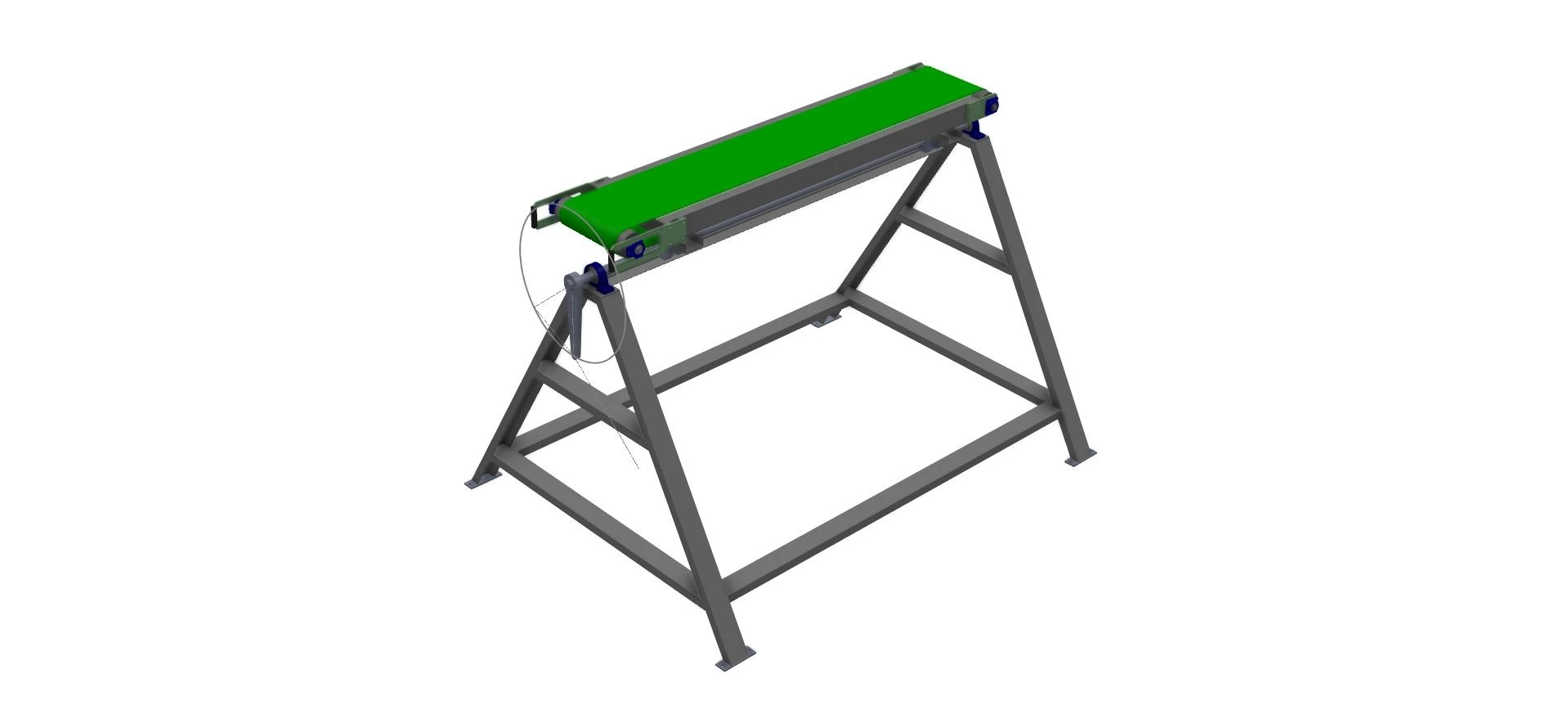
Description
Belt conveyors, also known as screen conveyors, are versatile systems used for moving raw materials and finished products across different stages of industrial processing. They are widely employed in production lines that aim to automate workflows, reduce cycle times and enhance internal logistics efficiency. In the sawmilling sector, they play a key role in the continuous transport of wood, offcuts, bark, chips and sawdust.
Function of belt conveyors in industrial environments
The primary function of belt conveyors is to ensure a continuous, controlled and predictable flow of materials between different points in the factory or sawmill. By replacing or complementing manual handling and traditional loading equipment, they help reduce physical effort, minimise downtime and improve process organisation. Whether feeding machines, transferring materials between stations or dispatching products, belt conveyors contribute to a stable and efficient workflow.
Modular structure and layout flexibility
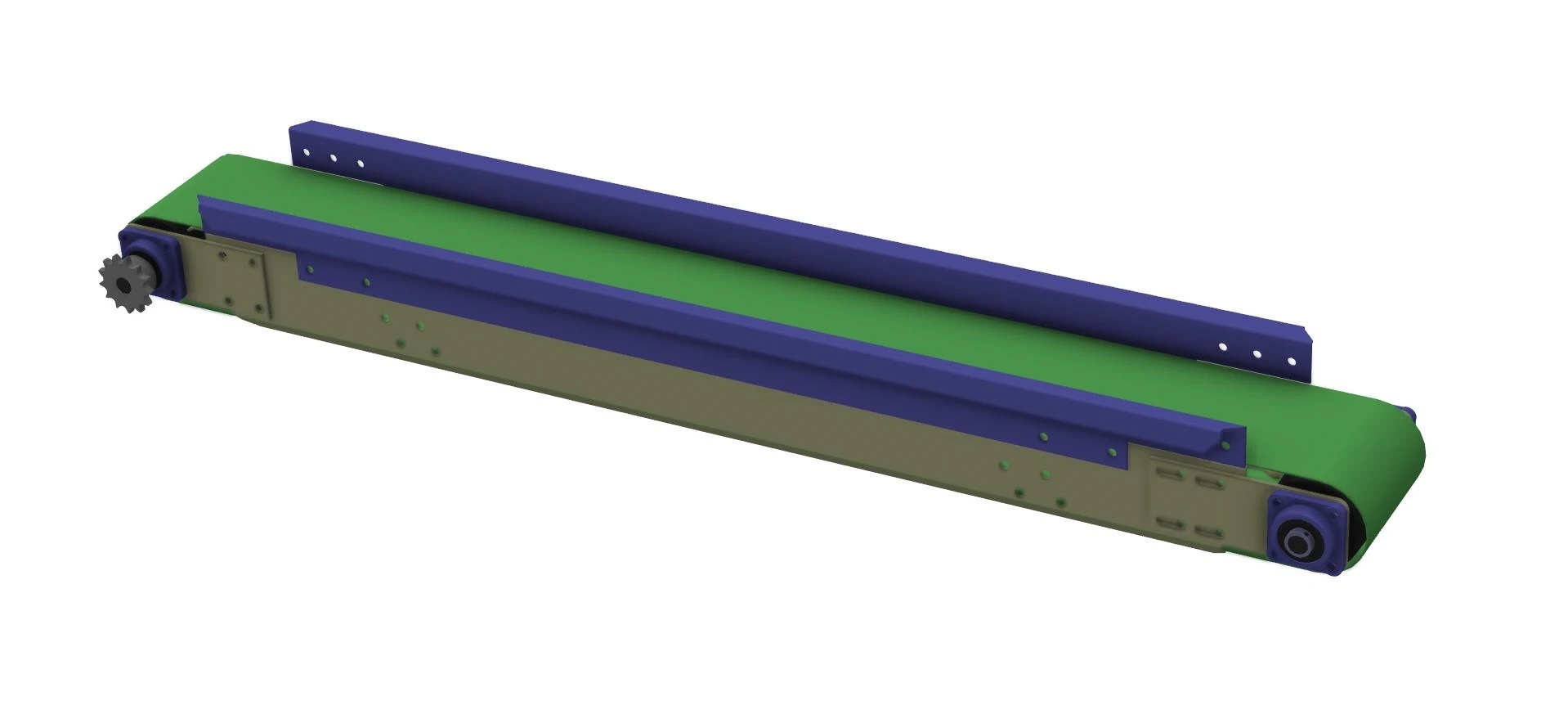
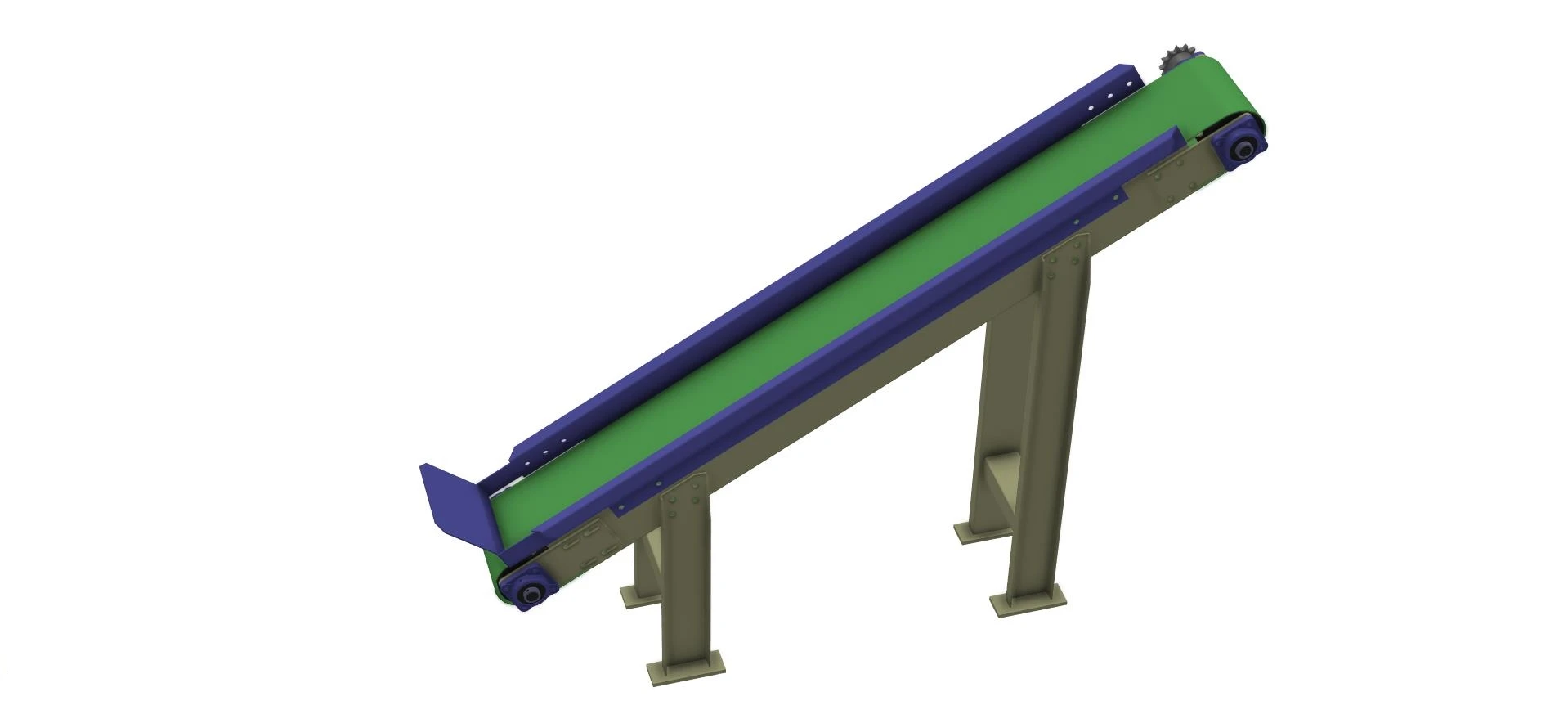
Thanks to their modular structure, belt conveyors can be easily assembled, extended, shortened or adapted to new layouts. They can be configured as straight sections, curves or horizontal and inclined segments, allowing them to fit seamlessly into complex routes or height variations within an installation. This flexibility makes it possible to adapt the line to future production changes without requiring a complete system replacement.
Continuous and controlled transport of diverse materials
The design of these conveyor belts ensures continuous and controlled movement of loads with different shapes, dimensions and weights. Depending on the application, the selection of the belt and components is based on material type, abrasiveness, required cleanliness, desired speed and safety requirements. This makes belt conveyors suitable not only for sawn wood and offcuts but also for boxes, packaging, industrial components or other finished products.
Typical applications in sawmills and other industries
In sawmills, belt conveyors are commonly used to transport boards, semi-processed pieces, bark, chips or by-products between different machines, as well as in sorting, packing and dispatching areas. In other industries, they are used for feeding processing equipment, assembly lines, inspection zones or internal transfer routes to warehouses and loading bays.
Integration in new or existing lines
Belt conveyors can be integrated into both new industrial lines and existing installations. Integration is carried out considering entry and exit levels, loading and unloading points, existing signalling devices and safety systems. When required, additional elements such as side guides, accumulation modules, lifting units or interfaces with automated equipment can be incorporated.
Bartly solutions developed by Irmach
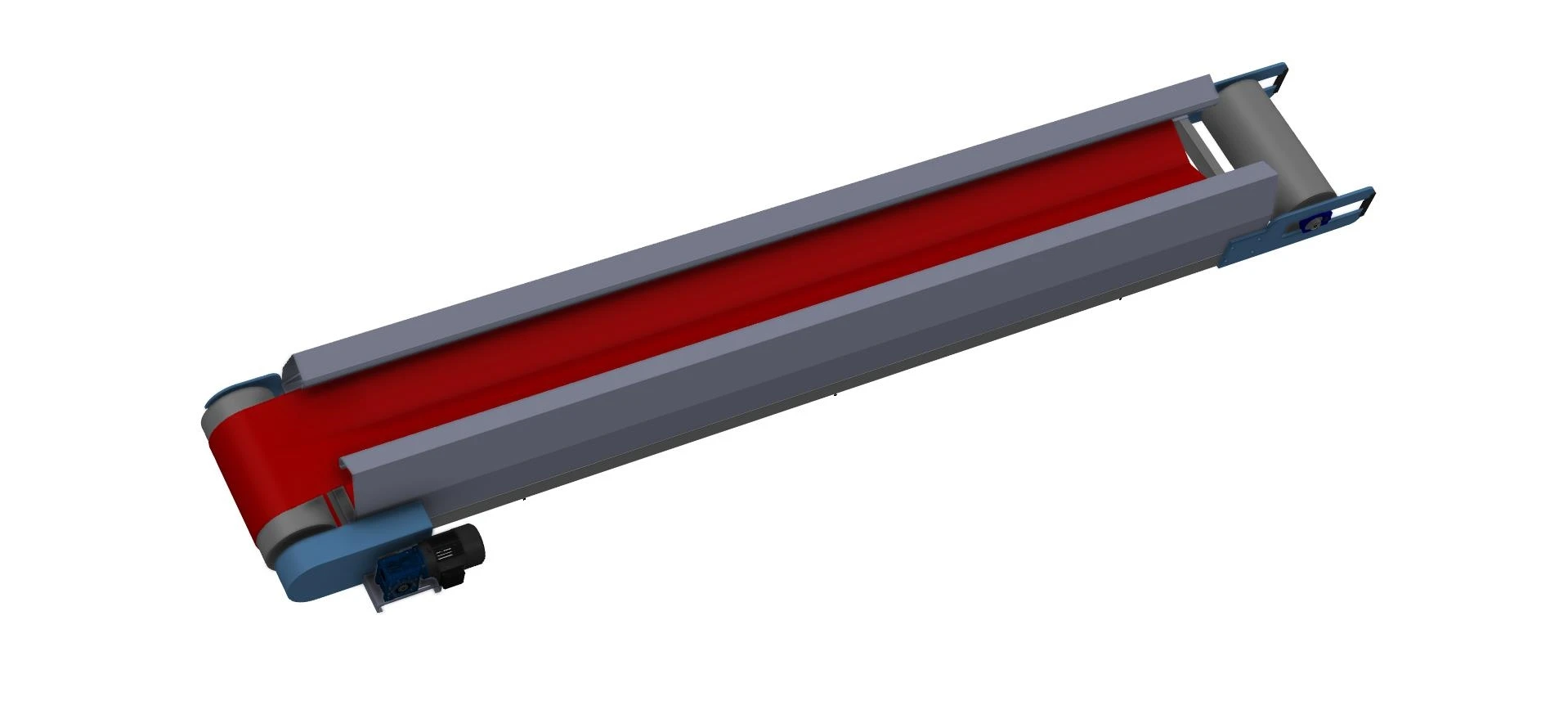
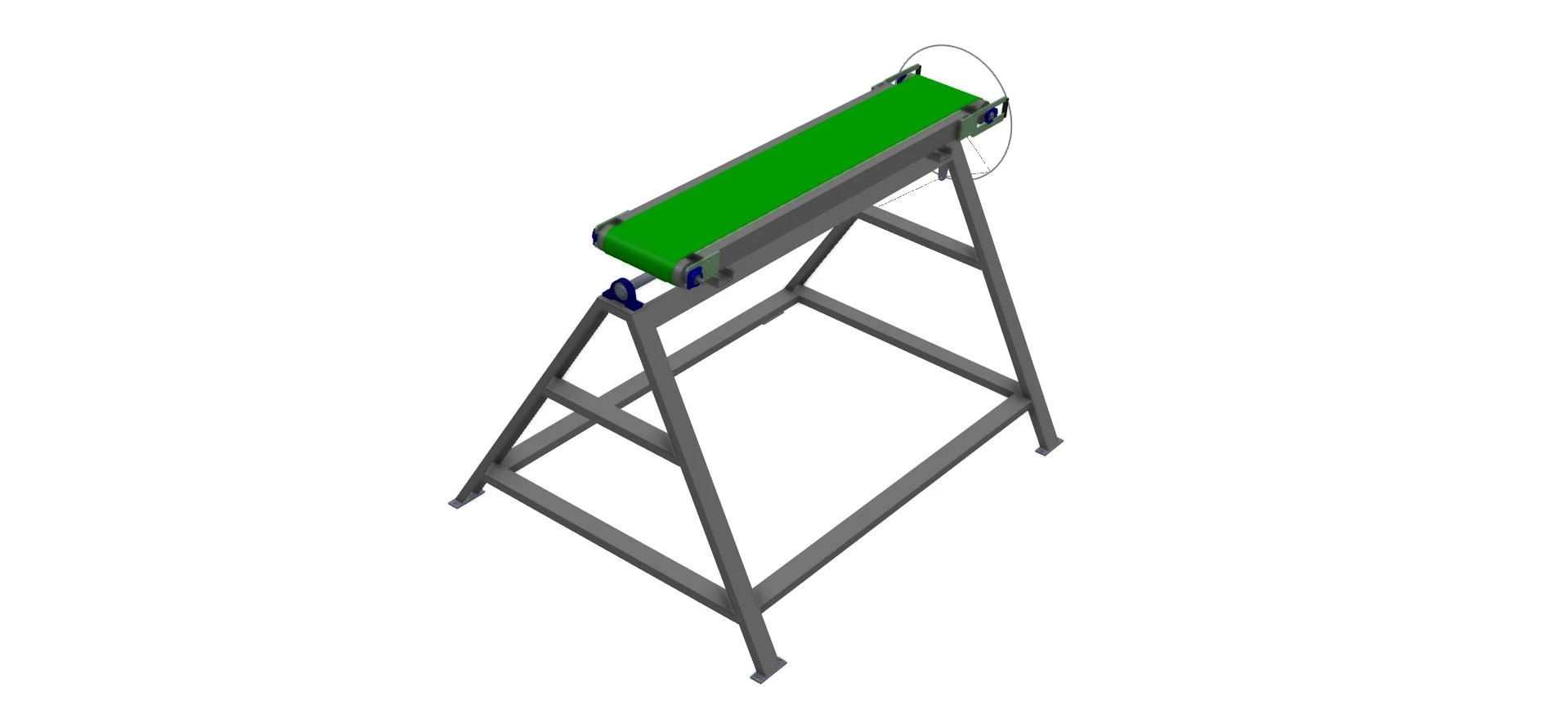
Designed and manufactured by Irmach and marketed under the Bartly brand, belt conveyors are fully customisable systems developed according to the technical specifications and material characteristics of each application. Their robust structure, carefully selected components and engineering-driven design result in equipment built for high performance, durability and simplified maintenance.
Advantages of Bartly belt conveyors
The adoption of belt conveyors offers multiple advantages within industrial environments: improved internal automation, reduced downtime, enhanced working conditions, better use of available space and increased overall productivity. In sawmills and demanding industrial settings, these solutions play a central role in ensuring efficient internal logistics.
Frequently asked questions about belt conveyors
In which industrial applications can belt conveyors be used?
Belt conveyors can be used in sawmills, wood-processing units, assembly lines, logistics centres, packing areas and any process requiring continuous and organised transport of materials between different points of the installation.
Are Bartly belt conveyors always custom-built?
Yes. Each conveyor is tailored to the material type, required capacity, layout constraints, transport route and desired automation level, ensuring a perfect fit for each customer's operational environment.
Can horizontal and inclined sections be combined in the same conveyor?
Yes. The modular design allows the combination of horizontal, inclined and curved sections, adapting the path to the needs of the installation and to feeding and discharge heights.
Are Bartly belt conveyors suitable for continuous operation?
Yes. They are engineered for continuous operation in demanding environments, with component selection focused on long service life, low maintenance and high reliability.